
My Work / Blockchain
Blockchain, a Potential Solution for Kicking Counterfeits Out of Online Marketplaces?
Online marketplaces have given consumers more choice, competitive pricing and flexible delivery options. They have also created additional routes through which counterfeit goods can reach consumers. This whitepaper explores existing anti-counterfeiting controls and considers where blockchain technology may support product provenance, traceability and greater supply-chain visibility.
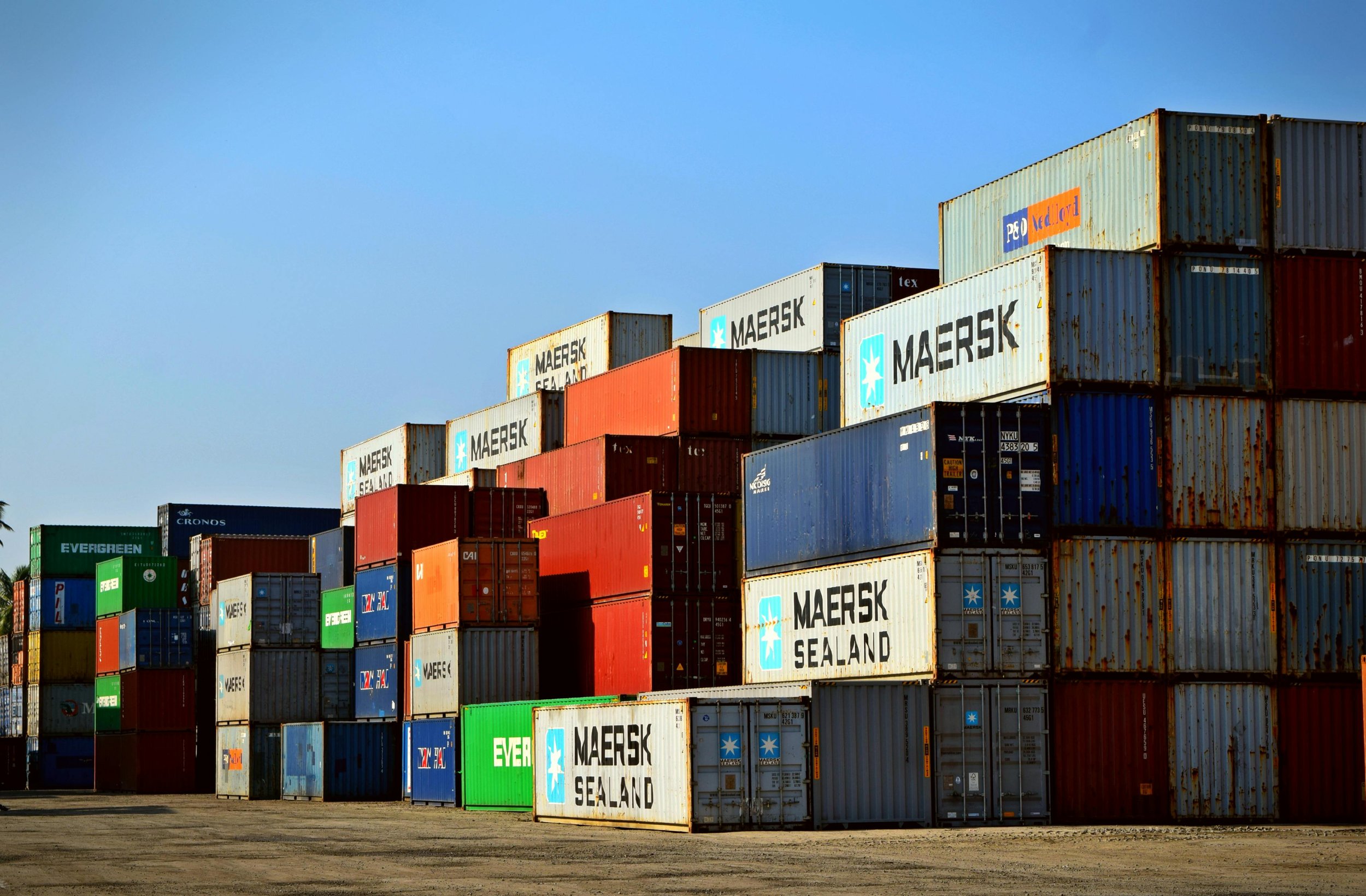
Blockchain may support anti-counterfeiting efforts by improving the traceability and provenance of products across a supply chain. It is not, by itself, a guarantee that counterfeit goods will be eliminated. Its usefulness depends on the integrity of the information entering the system and how the wider anti-counterfeiting process is designed.
The anti-counterfeiting challenge
The growth of online platforms has increased the number of options available to consumers, including competitive pricing, different delivery options and wider product choice. At the same time, those platforms have increased the number of routes through which counterfeiters can sell inauthentic goods.
Counterfeit products can create indirect competition with legitimate brand owners and contribute to lost revenue. They can also create health and safety concerns because the origin, manufacturing process and contents of an inauthentic product may be unclear.
In this whitepaper, I explore current anti-counterfeiting market controls and consider blockchain technology as one possible tool for improving visibility and provenance across product supply chains.
Where blockchain may help
A key question in anti-counterfeiting is whether the history and origin of a product can be traced with enough confidence to distinguish legitimate goods from goods introduced outside the expected supply chain.
Provenance
Recording information about where a product originated and how it moved through the supply chain.
Traceability
Creating a clearer record of the stages a product passes through between production and sale.
Visibility
Giving authorised participants a clearer view of relevant supply-chain events and records.
Important distinction: blockchain can support the recording and sharing of provenance information, but the technology does not automatically prove that information entered into the system was accurate in the first place.
Blockchain is one part of the control environment
Treating blockchain as a complete anti-counterfeiting solution would oversimplify the problem. Technology can support the control environment, but it still sits within a wider set of processes involving manufacturers, distributors, marketplaces, sellers and consumers.
The usefulness of any blockchain-based approach therefore depends on questions such as how products are identified, who is permitted to add or update records, how physical products are linked to digital records and how exceptions are investigated.
What the whitepaper explores
The whitepaper looks at the relationship between counterfeit goods, online marketplaces and supply-chain controls, with blockchain considered as a potential mechanism for strengthening transparency and traceability.
- The growth of online marketplaces and the counterfeit challenge.
- Existing approaches to anti-counterfeiting.
- The role of product provenance and supply-chain visibility.
- How blockchain technology may contribute to traceability.
- The limitations of treating technology as a standalone solution.
Opens the whitepaper PDF in a new tab.
Frequently asked questions
Can blockchain stop counterfeit products?
Blockchain should not be treated as a guarantee that counterfeits will disappear. It may support provenance, traceability and information sharing, but the effectiveness of the wider anti-counterfeiting system still depends on the controls, participants and data surrounding the technology.
Why is traceability useful for anti-counterfeiting?
Traceability can make it easier to understand the expected journey of a legitimate product through the supply chain and identify points where unexpected activity may need further investigation.
What is product provenance?
Product provenance refers to information about the origin and history of a product. In an anti-counterfeiting context, stronger provenance records can help organisations establish where a product came from and how it reached a particular point in the supply chain.
Does blockchain guarantee that supply-chain data is correct?
No. A blockchain can provide a record of information submitted to it, but the quality of that record still depends on the quality and integrity of the information being entered.